World Robot Olympiad 2026
Robots Meet Culture · Area 2: Co-Creation
SPARSH — स्पर्श
Smart Precision Art Robot for Sustaining Heritage
When the robot meets culture, the artist can keep painting — and the art form can keep living.
Team Tech Ninjas · Aditya Birla World Academy, Mumbai
The Process
How SPARSH works
Every painting follows five steps. The artist is in charge at every one of them.
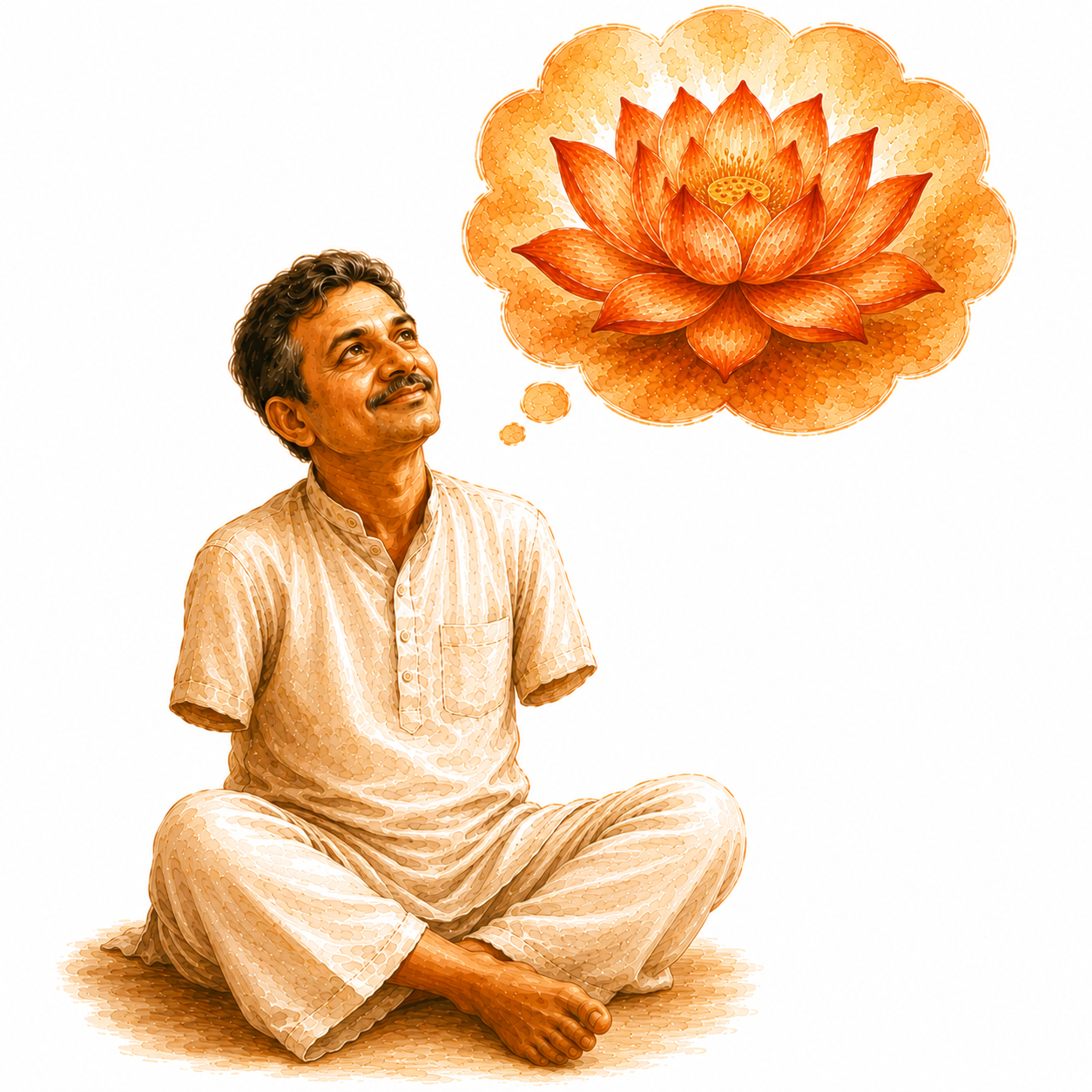
Artist has an idea
The artist decides what to create
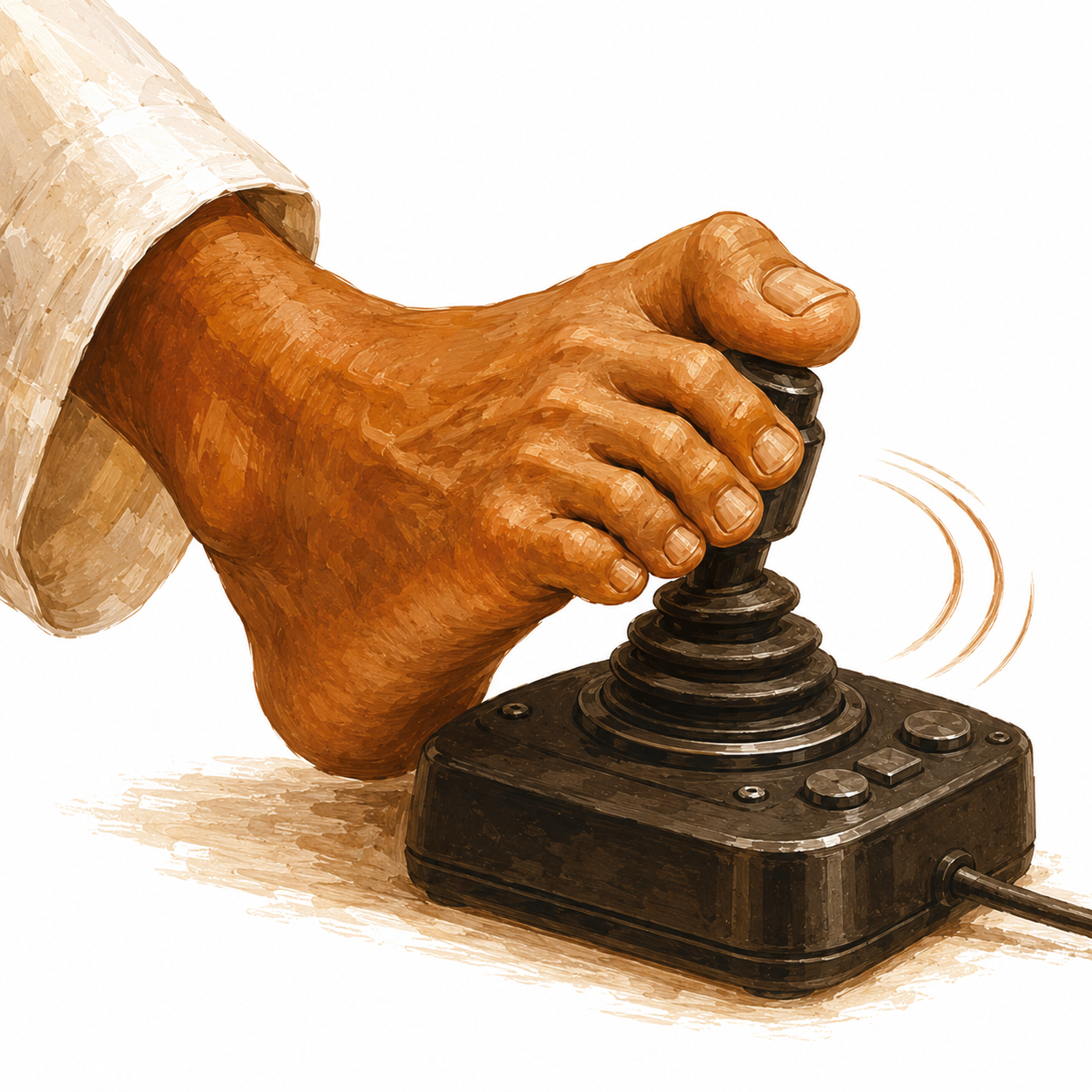
Joystick or Voice Input
Foot or available movement controls SPARSH
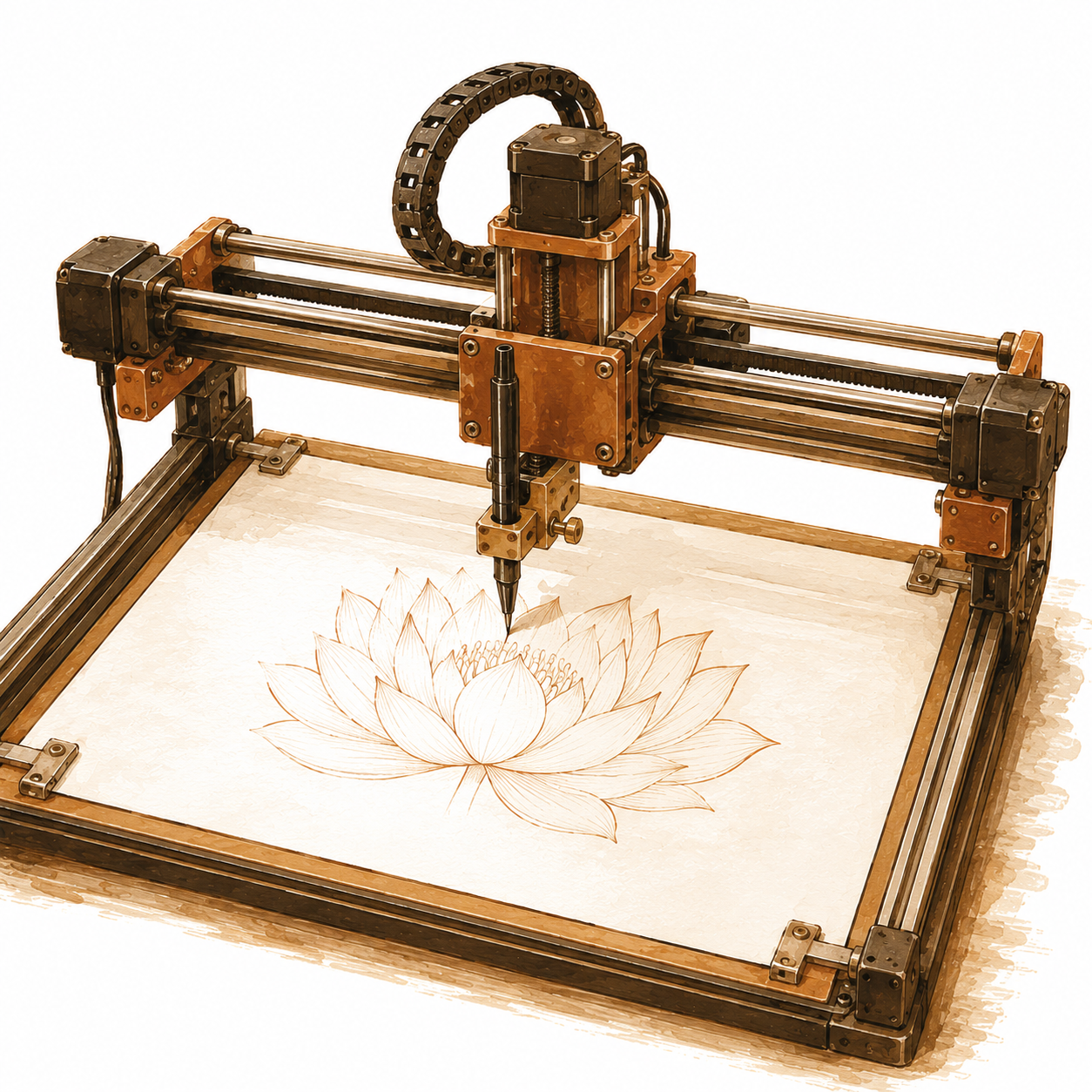
SPARSH draws the outline
Structural outline on A2 paper
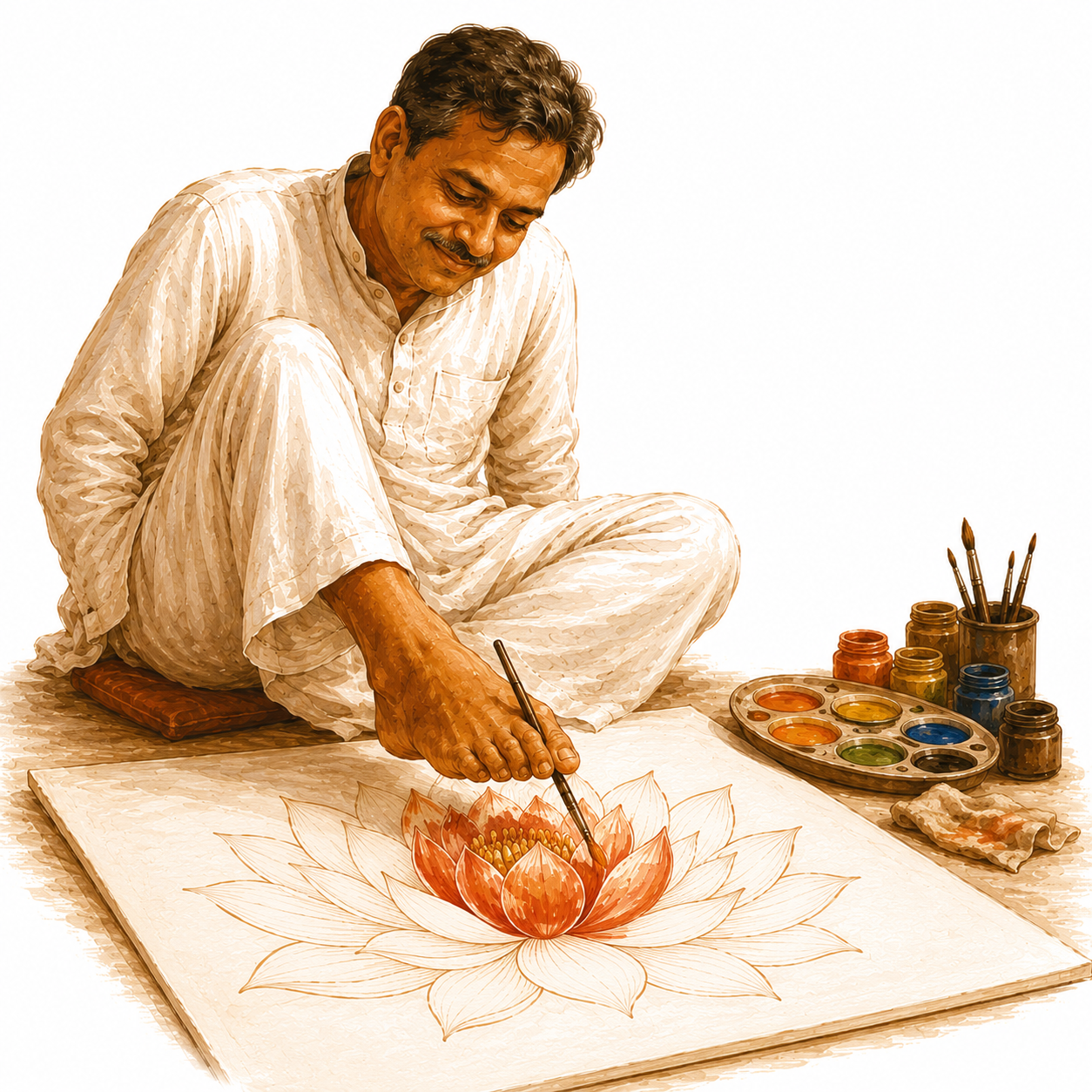
Artist adds colour
Shading, texture, detail — all by the artist
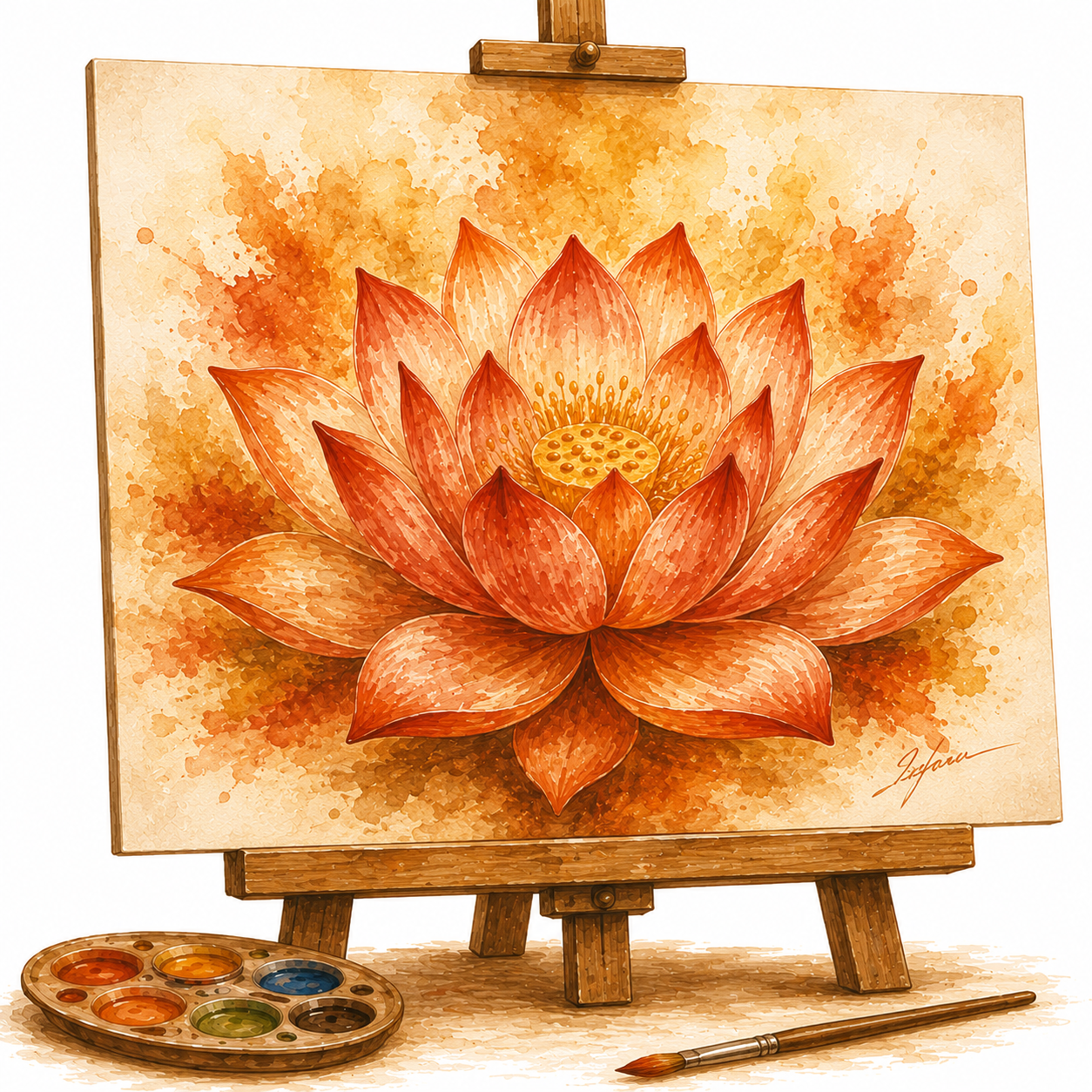
Completed artwork
Signed personally by the artist
Co-Creation
Two ways to create
The artist chooses how much the robot does. Every single painting.
Mode 01
Co-Creation Mode
The artist controls the drawing mechanism directly with their foot or available movement using a joystick. Every line on the paper is their own — made precise and strain-free by the robot.
Mode 02
AI-Assisted Mode
The artist says a subject name by voice. SPARSH draws the structural outline on A2 paper. The artist then personally adds all colour, shading, texture, and detail — everything that makes the painting theirs.
The painting is always 100% the artist's.
Our Artists
Built with real artists
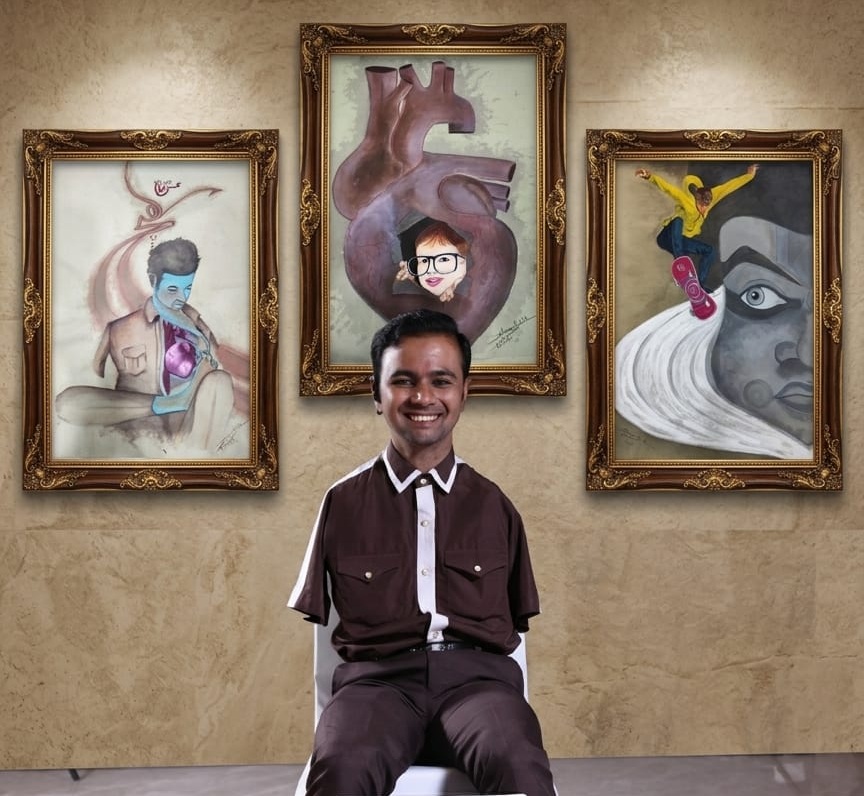
SPARSH was designed through direct conversation with mouth and foot painters and a rehabilitation centre. Their feedback shaped every design decision.
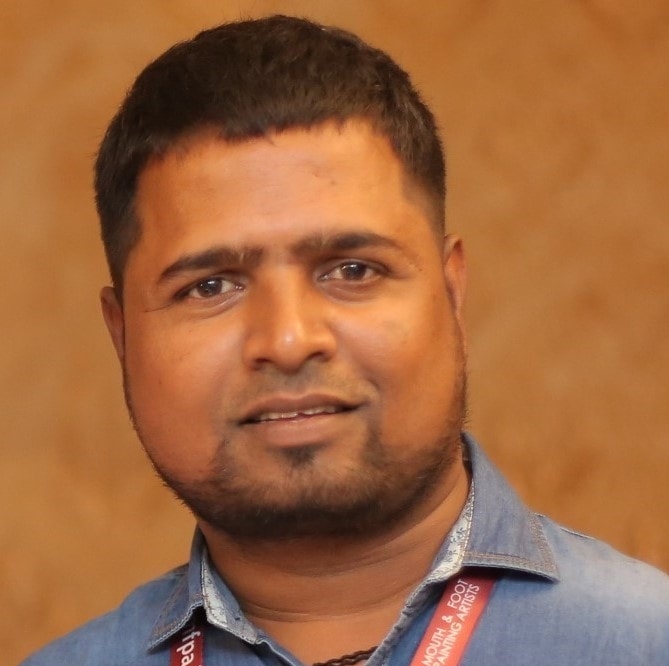
"The joy is in making the art. Not in watching a machine make it."
— Nadeem Shaikh, foot-painting artist, Mumbai
This sentence changed our entire project. We had been solving the wrong problem. Taking the drawing away from the artist isn't helping — it's replacing. And replacing is not what SPARSH is about.
Social Impact
Connecting SPARSH with the world
SPARSH maps directly to six UN Sustainable Development Goals.
A disabled artist can practise and teach art at scale
Artists earn proper income without physical strain limiting output
Affordable assistive tech from standard parts and open-source software
Removes the physical barrier between artistic talent and artistic output
Keeps Indian art traditions alive by keeping their artists working
Partnerships built with IMFPA artists and PRC · Ready to scale
Our Mission
Empowering Artists
Our Tool
Robotic Precision
Our Approach
Inclusive Innovation
Our Purpose
Preserving Culture
WRO 2026 · Robots Meet Culture · Area 2: Co-Creation
A project by Team Tech Ninjas · Nysa Shetye · Neev Shetye
Aditya Birla World Academy, Mumbai
Guided by our mentor Suraj Tiwari